
Mumbai—India’s financial capital—is set to witness a transformative shift in how its ageing housing stock is redeveloped. The Maharashtra government, led by Deputy Chief Minister Eknath Shinde, has announced a special regulatory framework of Pagdi buildings Mumbai redevelopment rules for 2025 to overhaul the controversial and long-stalled Pagadi system, offering much-needed clarity for redevelopment of old rent-controlled buildings.
This major announcement aims not just to modernize dilapidated structures but also to resolve complex tenant–landlord disputes that have blocked redevelopment for decades.
Introduction to Pagdi Buildings in Mumbai
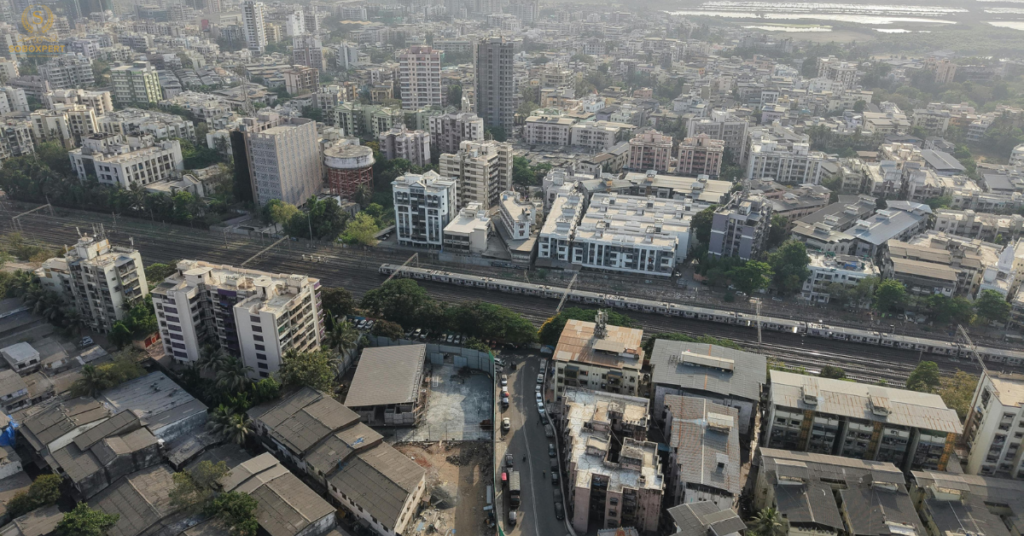
Source: Sobo Xpert
Mumbai is a city where history and high-rises live side by side. Walk through South Mumbai or old suburbs, and you’ll still see century-old buildings quietly standing their ground.
Many of these fall under the famous—or infamous—pagdi system. Now, with the Maharashtra government planning new redevelopment rules, the future of these buildings is finally at a turning point.
What Is the Pagdi System?
The pagdi system explained simply: tenants pay a one-time premium (called pagdi) to occupy a property, after which they enjoy near-permanent tenancy at very low rent. Ownership stays with the landlord, but possession effectively remains with the tenant for generations.
Why Pagdi Buildings Still Matter Today
There are over 1,300+ pagdi buildings in Mumbai, mostly in prime areas like South Mumbai, Dadar, Byculla, and parts of the western suburbs. These locations are goldmines in real estate terms, yet remain underutilized due to legal and structural challenges.
Pagdi System Explained in Simple Terms
How the Pagdi System Works
Think of pagdi like buying a movie ticket for life at 1970 prices. Tenants pay upfront, landlords get capital, and rent stays frozen. Sounds fair back then—but decades later, the imbalance is obvious.
Rights of Tenants
Tenants enjoy strong protection:
- Right to stay indefinitely
- Right to pass tenancy to heirs
- Say in redevelopment decisions
Rights of Landlords
Landlords:
- Retain ownership of land
- Receive minimal rent
- Need tenant consent for redevelopment
Current Condition of Pagdi Buildings in Mumbai
Structural Safety Concerns
Many pagdi buildings are over 80–100 years old. Weak foundations, wooden beams, and outdated wiring make them vulnerable—especially during monsoons.
Aging Infrastructure and Urban Risks
From collapsing staircases to water seepage, these buildings pose daily risks. Redevelopment isn’t a luxury anymore—it’s a safety necessity.
Maharashtra Pagdi System News – What’s Changing Now
Government’s Intent Behind New Rules
The Maharashtra government has signaled clear intent to unlock stalled redevelopment by introducing balanced reforms. The aim? Protect tenant rights while making redevelopment financially viable.
Statement Highlights from State Leadership
Officials have emphasized that no stakeholder will be left behind—tenants, landlords, or developers. The focus is on consensus-driven, faster approvals.
Pagdi Buildings Mumbai Redevelopment Rules 2025—An Overview
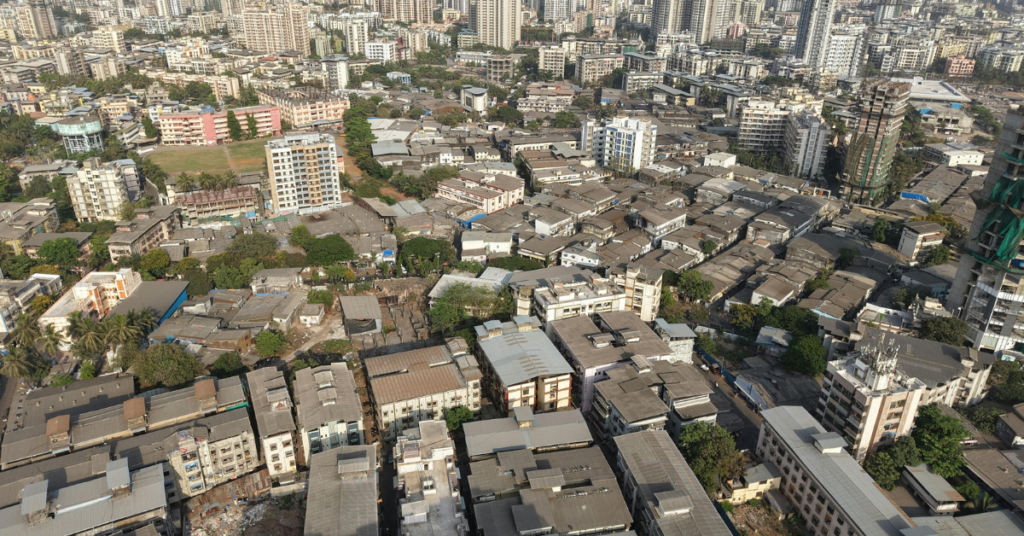
Source: Free Press Journal
Expected Legal and Policy Changes
The Pagdi redevelopment rules 2025 are expected to:
- Clarify consent thresholds
- Streamline approvals
- Encourage redevelopment via incentives
Simplification of Consent and Ownership Issues
One of the biggest roadblocks—unanimous consent—may be relaxed, making redevelopment practically achievable.
Role of FSI and TDR in Pagdi Redevelopment
FSI TDR Pagdi Mumbai Explained
FSI (Floor Space Index) and TDR (Transferable Development Rights) are tools that allow developers to build more by compensating elsewhere. For pagdi buildings, extra FSI could be the game-changer.
How Additional FSI Can Make Projects Viable
More buildable area means:
- Better rehab homes for tenants
- Saleable inventory for developers
- Win-win economics
Pagdi Building Rights—Tenants vs Owners
Protection of Tenant Rights
Tenants are expected to receive:
- Permanent alternate accommodation
- Same or larger carpet area
- Legal safeguards during transit
Safeguards for Landlords and Developers
Landlords may finally:
- Monetize dormant assets
- Participate in revenue sharing
- See reasonable returns
Mumbai Housing Redevelopment – A Bigger Picture
Where Pagdi Redevelopment Fits In
Mumbai’s housing crisis isn’t just about new supply—it’s about optimizing old land. Pagdi redevelopment could unlock thousands of homes.
Impact on Urban Housing Supply
Redeveloping these buildings can add density where infrastructure already exists—schools, hospitals, transport—all in place.
Benefits of Redeveloping Pagdi Buildings
Improved Safety and Living Standards
Modern buildings mean:
- Fire safety
- Elevators
- Proper sanitation
Better Utilization of Prime City Land
Why let prime land sleep when it can serve today’s housing needs?
Challenges in Pagdi Buildings Mumbai Redevelopment
Consent and Legal Disputes
Multiple heirs, unclear agreements, and emotional attachments can slow projects.
Financial Feasibility Issues
Without incentives like FSI or TDR, redevelopment simply doesn’t add up on paper.
What Tenants Should Know Before Redevelopment
Documents and Agreements
Tenants should:
- Verify tenancy records
- Ensure rehab agreement clarity
- Seek legal advice
Temporary Accommodation and Compensation
Clear timelines, transit rent, and possession dates must be documented.
What Landlords and Developers Should Prepare For
Compliance and Clear Titles
Clear land titles and updated records will be critical.
Financial Planning and Project Timelines
Patience and capital planning will determine success.
Pagdi Reform Maharashtra—Long-Term Impact
Social and Economic Implications
Balanced reform can:
- Reduce litigation
- Improve urban safety
- Revive old neighborhoods
Transformation of Old Mumbai Neighborhoods
Areas like Girgaon, Parel, and Grant Road could see a modern facelift without losing their soul.
Future of Pagdi Buildings in Mumbai
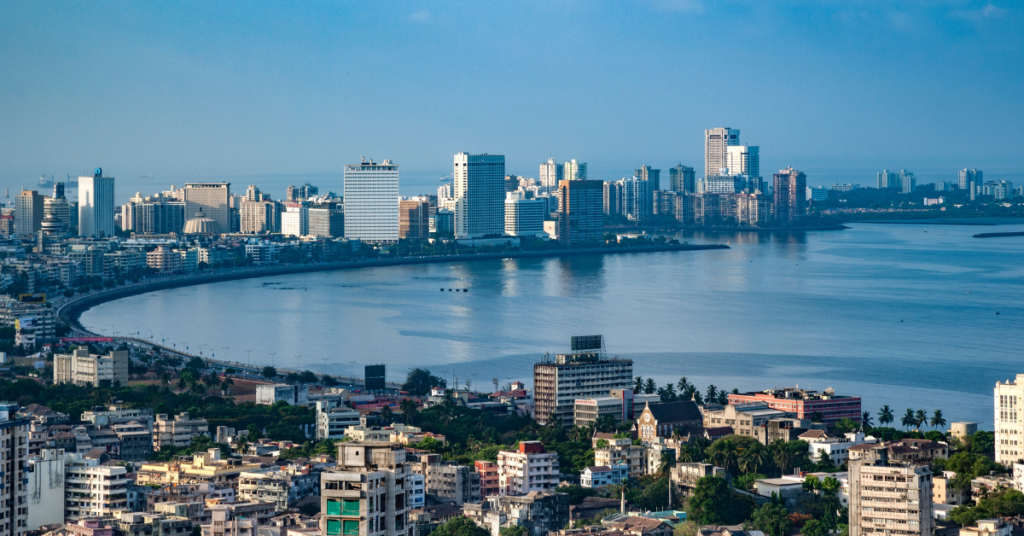
Source: The Indian Express
Will Pagdi System Survive?
The system may not vanish, but it will evolve.
A Shift Toward Modern Redevelopment Models
Structured redevelopment is the future—slow, steady, but inevitable.
A New Era for Pagdi Buildings Mumbai Redevelopment Homes
The upcoming Maharashtra pagdi redevelopment rules could mark a historic shift in Mumbai’s real estate landscape.
By balancing pagdi building rights, leveraging FSI TDR, and aligning with broader Mumbai housing redevelopment goals, the state has a real chance to turn a long-standing problem into an urban success story. For tenants, landlords, and developers alike, the message is clear: change is coming—and preparation is key.
If you’re navigating real estate redevelopment, Pagdi laws, or Mumbai housing reforms — SOBO Xpert delivers expert insights, tailored consultancy, and strategy to turn policy into opportunity. Reach out to elevate your property planning, dispute resolution, or redevelopment success today.
Frequently Asked Questions
Q. What is the pagdi system in Mumbai?
Ans: It’s a tenancy model where tenants pay a one-time premium and enjoy long-term possession at nominal rent.
2. Why is pagdi redevelopment important now?
Ans: Most pagdi buildings are structurally weak and unsafe, making redevelopment essential.
3. Will tenants lose their rights under new rules?
And: No, tenant protection remains central to proposed reforms.
4. How do FSI and TDR help pagdi redevelopment?
Ans: They improve project viability by allowing additional construction potential.
5. When will the Pagdi Buildings Mumbai Redevelopment Rules 2025 be implemented?
Ans: The government is expected to announce details soon, with phased implementation.
About The Author
